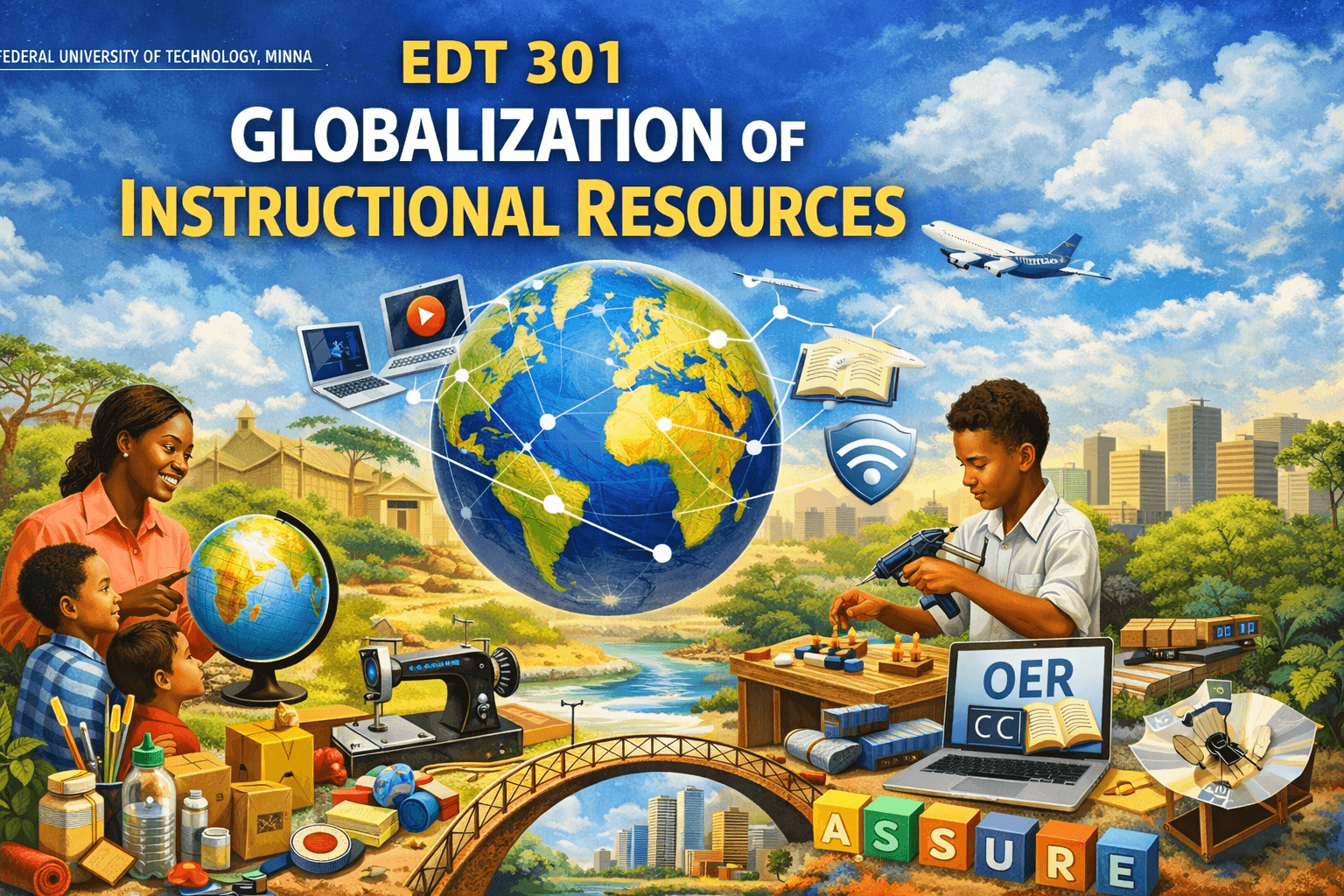
The course Globalization of Instructional Resources (EDT 301) is designed to provide learners with a comprehensive understanding of how instructional materials are developed, adapted, and utilized within an increasingly interconnected global educational environment. It explores the dynamic relationship between globalization and education, emphasizing how global knowledge, technologies, and practices can be effectively integrated with local contexts to enhance teaching and learning.
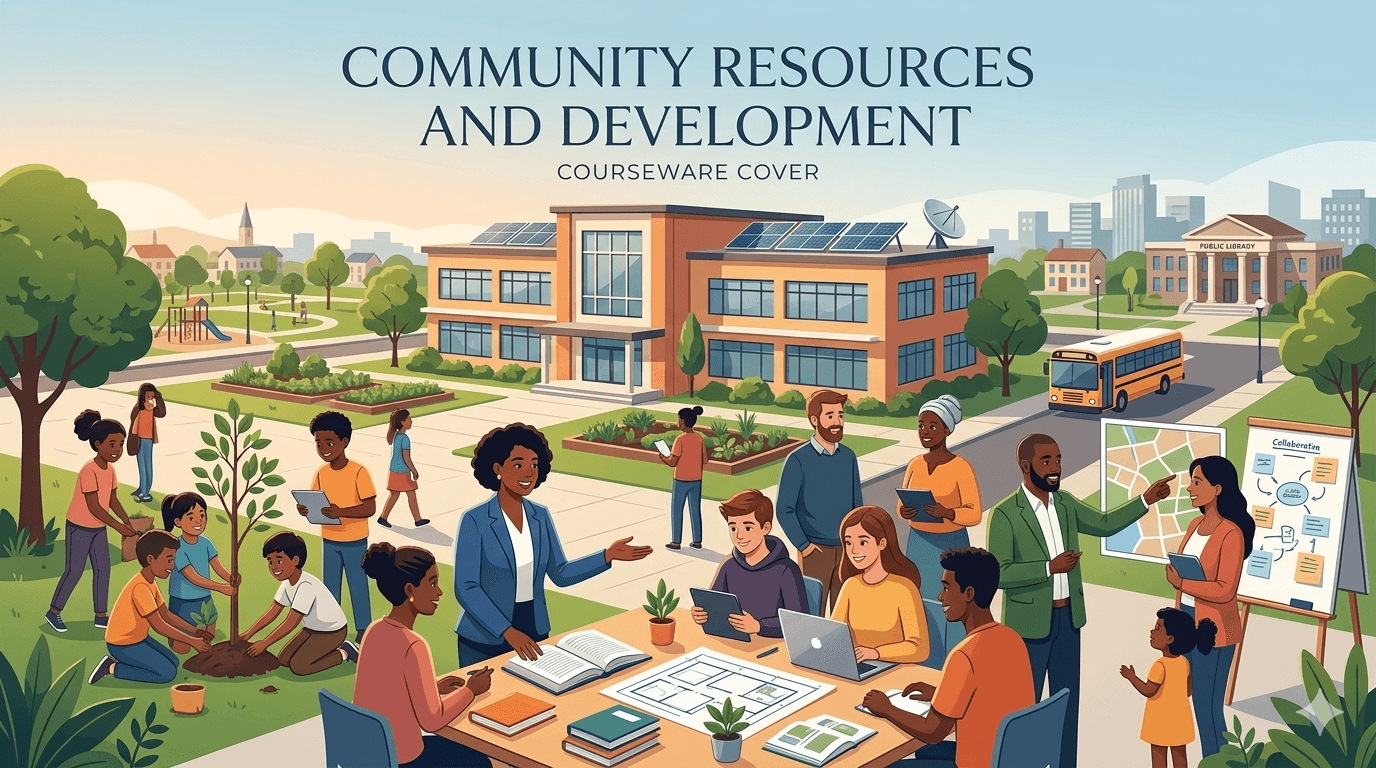
Throughout the course, students are introduced to the concepts, types, and classifications of instructional resources, including both human and non-human elements within school and community settings. The course highlights the importance of identifying, mobilizing, and utilizing locally available resources, encouraging creativity and innovation in the production of low-cost instructional materials that are culturally relevant and pedagogically effective.
A key focus of the course is the application of instructional design models—particularly the ASSURE model—in developing effective instructional packages. Learners will engage in practical activities such as community resource mapping, improvisation of teaching materials, and mini-project development, all aimed at strengthening real-world instructional competencies.
In addition, the course examines the principles of resource utilization, evaluation of instructional materials, and strategies for sustaining educational resources in diverse learning environments. It also addresses ethical considerations, including copyright and the use of Open Educational Resources (OER), preparing learners to responsibly access, adapt, and share educational content.
By the end of this course, students will be equipped with the knowledge, skills, and practical experience required to design, adapt, and evaluate instructional resources that bridge global perspectives with local realities, ultimately improving the quality, relevance, and accessibility of education.