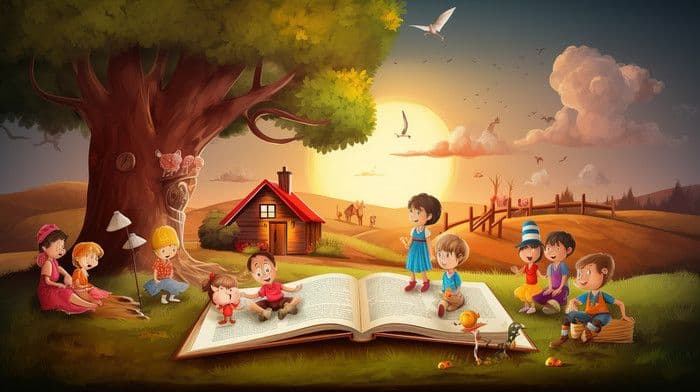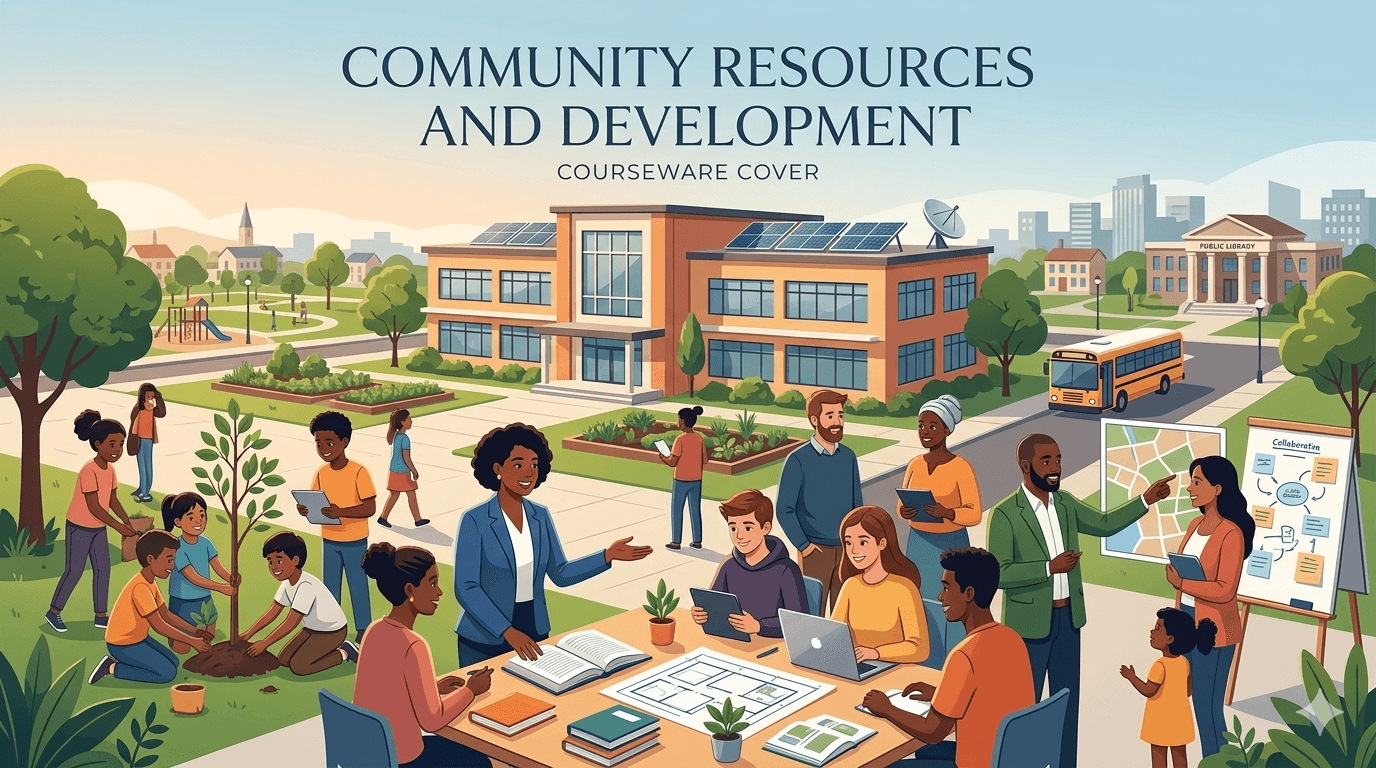
The Courseware on Advanced Library Studies (EDT 414) is designed to introduce students to the fundamental and advanced concepts of library systems, information resources, and modern library practices in the digital age. The course provides a comprehensive understanding of how libraries function as centers for knowledge organization, access, and dissemination in educational and societal contexts.
The courseware is structured into ten modules, each addressing a key aspect of library studies. It begins with the concept, functions, and evolution of libraries, then explores types of libraries, library resources, and collections. The course further examines library organization, classification systems, and cataloguing processes that help users locate information efficiently.
In addition, the course highlights the services libraries provide and the needs of different library users, emphasizing how libraries support teaching, learning, and research. The course also examines the role of Information and Communication Technology (ICT) in modern libraries, including automation, digital libraries, and online information access.
Students are also introduced to information literacy skills, which enable them to locate, evaluate, and use information effectively and ethically. The course concludes by discussing library management, administration, emerging technologies, and the future of libraries in an increasingly digital world.
Overall, this courseware equips students with both theoretical knowledge and practical understanding of how modern libraries operate and how they contribute to academic development, research, and lifelong learning.
What Students Will Learn from the Courseware
By studying this courseware, students will be able to:
1. Understand the Concept and Role of Libraries
Students will learn the meaning, functions, and evolution of libraries and understand their importance in supporting education, research, and knowledge preservation.
2. Identify Different Types of Libraries
Students will understand the characteristics and functions of academic, public, special, national, and digital libraries, and how each serves different groups of users.
3. Recognize Various Library Resources and Collections
Students will learn about different types of information resources such as print materials, non-print materials, and electronic resources, and how libraries organize these materials into collections.
4. Understand Library Organization and Classification
Students will learn how libraries organize materials using systems such as cataloguing and classification (e.g., Dewey Decimal Classification and Library of Congress Classification) to make information easy to locate.
5. Understand Library Services and Users
Students will learn about the various services libraries provide, including circulation services, reference services, and digital services, as well as the different categories of library users.
6. Understand the Role of ICT in Modern Libraries
Students will explore how Information and Communication Technology (ICT) supports library operations, digital access to resources, and modern learning environments.
7. Develop Information Literacy Skills
Students will learn how to search for, evaluate, and use information responsibly, helping them avoid misinformation and plagiarism while improving their academic research skills.
8. Understand Library Automation and Digital Libraries
Students will gain knowledge of automated library systems, digital repositories, and online information platforms that enable remote access to learning materials.
9. Understand Library Management and Administration
Students will learn how libraries are managed through planning, organization, staffing, and decision-making, as well as the roles of library personnel.
10. Understand Emerging Trends and the Future of Libraries
Students will explore modern trends such as digital transformation, open educational resources (OER), artificial intelligence, and smart technologies that are shaping the future of libraries.
CLICK HERE TO ACCESS THE COURSEWARE
CLICK HERE TO ACCESS THE QUIZ